Related Articles
Sandscapes
Heathland restoration at Dudmaston and Kinver Edge
Marian Newell
December 2025
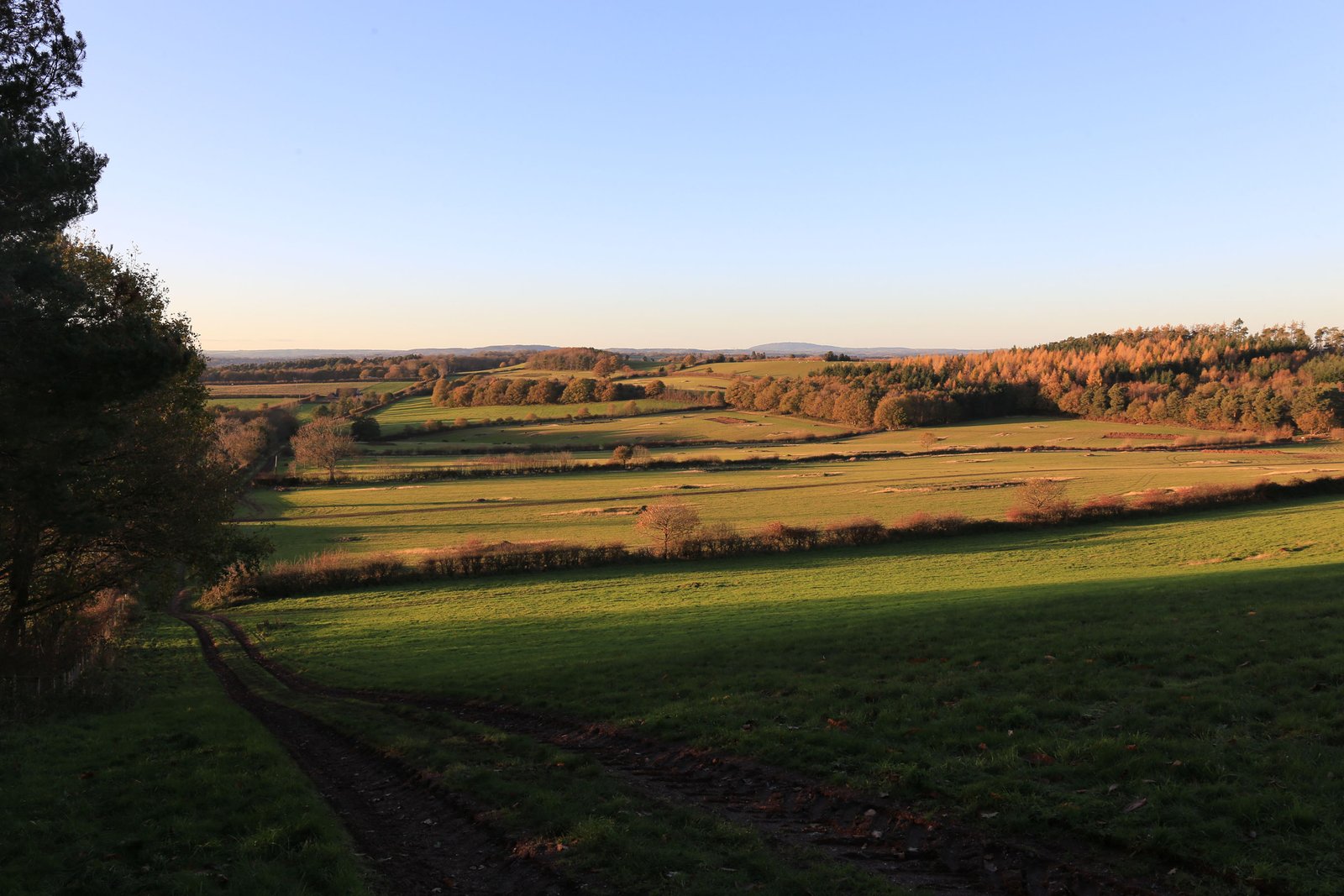 This landscape-scale nature recovery initiative is led by the National Trust, in partnership with Natural England and the Wildlife Trusts. The goal is to reconnect sandy heathland habitats across Shropshire, Staffordshire and Worcestershire. Although now fragmented and rare, these once-common habitats are vital for native pollinators including butterflies, solitary bees and hoverflies.
The project covers three parts of the Dudmaston estate: Mose Farm, Comer Wood and the Severn Flood Plain. The team includes staff and volunteers from the National Trust, the tenant farmer Martyn Bebb and volunteers from various organisations including Harper Adams University, the Bumblebee Conservation Trust and WM-BAMS. At a Sharing Day in November, the monitoring team presented results to date and talked about their hopes for 2026.
Heather has been introduced to Mose Farm in two ways: as plug plants and as seed in brash cut from other heathland sites. Scrapes have been cut into the fields to create bare ground for the heather to establish and banks of earth for invertebrates to use. The scrapes were checked in October to see how well the heather had established, and many seedlings were found in about half the scrapes.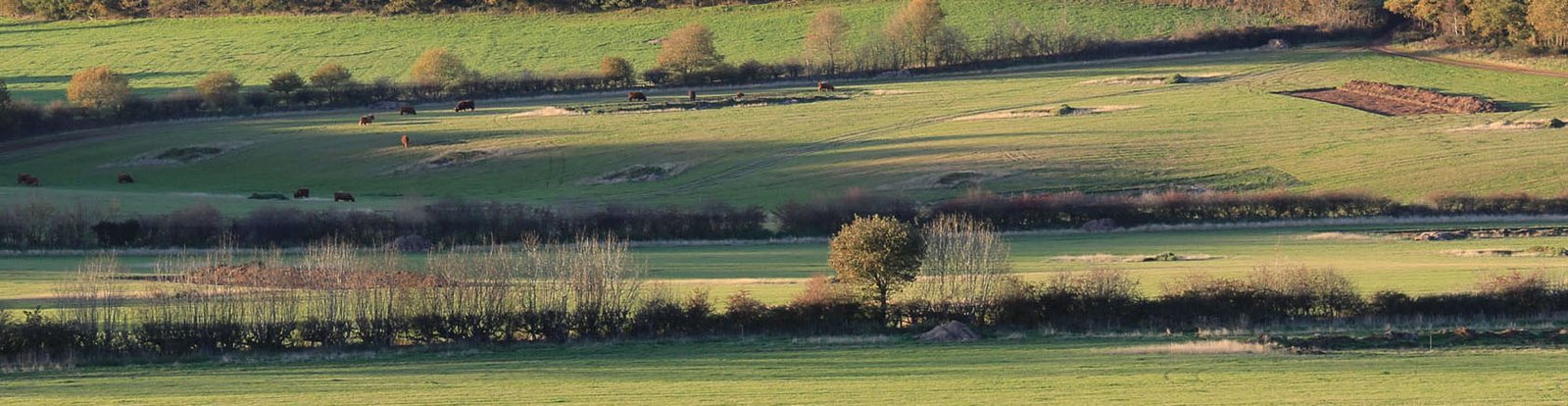 Different plots have been treated with sulphur at various concentrations to lower the PH, but so far results are inconclusive. The impact of sulphur on leafhoppers was reported by one recorder, along with the more general effects of heathland creation strategies by an MSc student. The reasons for studying this group of bugs were interesting: they feed on plants (so they respond directly to the vegetation), have short life cycles (so they respond immediately to habitat changes) and include diverse species (generalist, specialist, rare and threatened).
The botanical recorder presented a picture of species change, with increasing numbers of positive indicators and decreasing numbers of negative indicators. This suggests that the habitat is changing in the planned way. The bird recorder reported an increase in the number of species from 26 in 2023 to 30 in 2025, with evidence of breeding found for several notable species.
Two WM-BAMS volunteers walked a monthly butterfly transect from May to August with disappointing results. Meadow Brown, Ringlet, Marbled White, Painted Lady and Large Skipper were recorded, but no Common Blue, Holly Blue and Brown Argus. They hope Essex and Small Skipper will colonise the area. Locals noted that some unrecorded species occur in their gardens and so may be seen in time – the same observation applied to birds that have not yet been recorded formally. Only one butterfly transect has been walked to date but the project coordinator hopes that all three parts of the estate will be monitored in 2026.
Find out more about this project on the National Trust website: