Related Articles
Putting Telford's Butterflies and Moths on the Map
29th March 2026
ID Guide: Fritillaries
29th March 2026
ID Guide: Golden Skippers
7th July 2026
Identifying Moths for Beginners
23rd July 2026
ID Guide: Whites
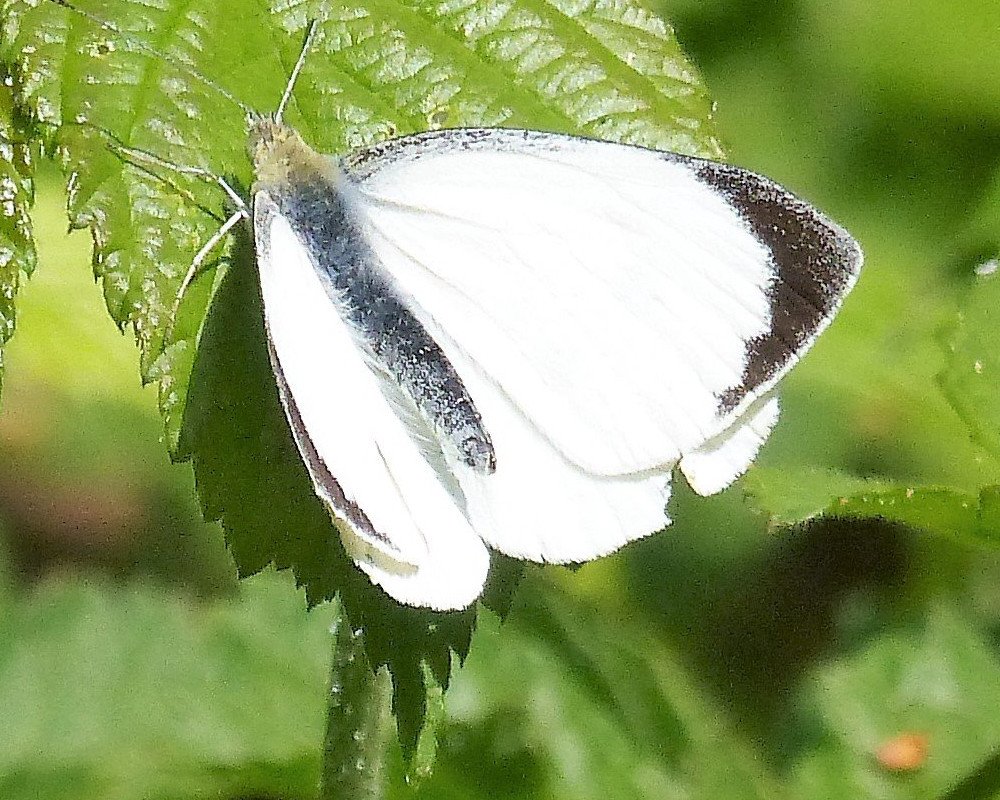 Large White (male)
Black tips to the forewings, extending along both edges, and no black spots. The first of this species are normally not seen until April, after the first appearance of Small White, Green-veined White and Orange-tip.
Photo: Mike Williams
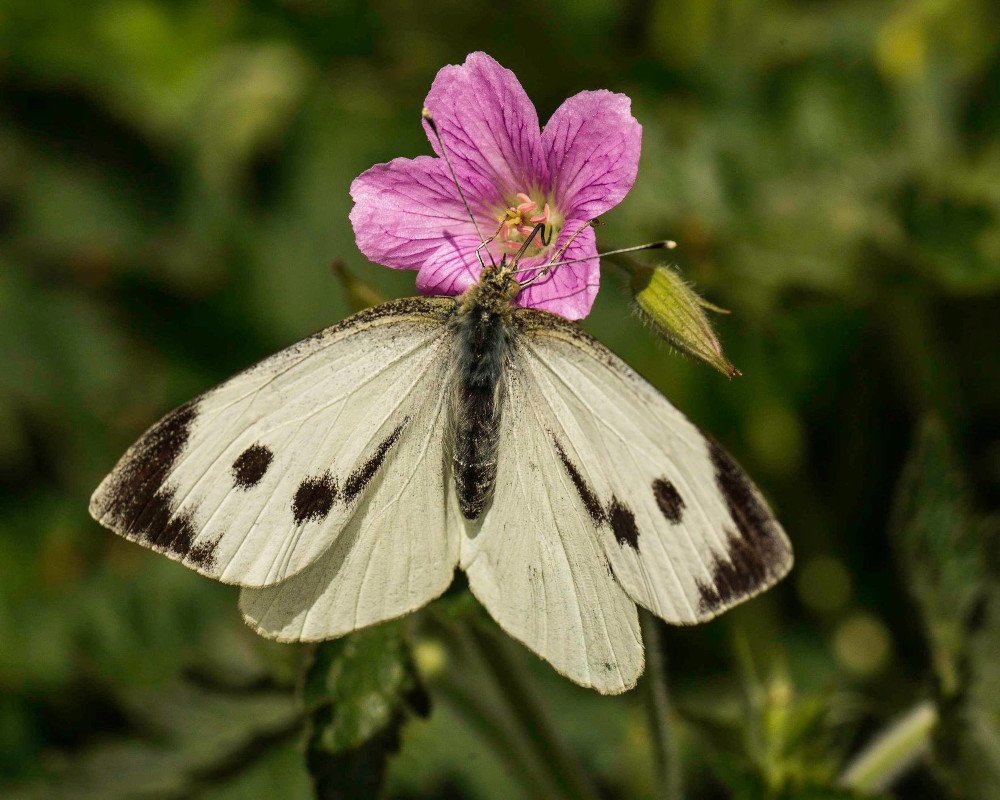 Large White (female)
Extensive black markings on the tips of the forewings, similar to the male, but with two black spots in the centre of the forewing.
Photo: Anita Gowing
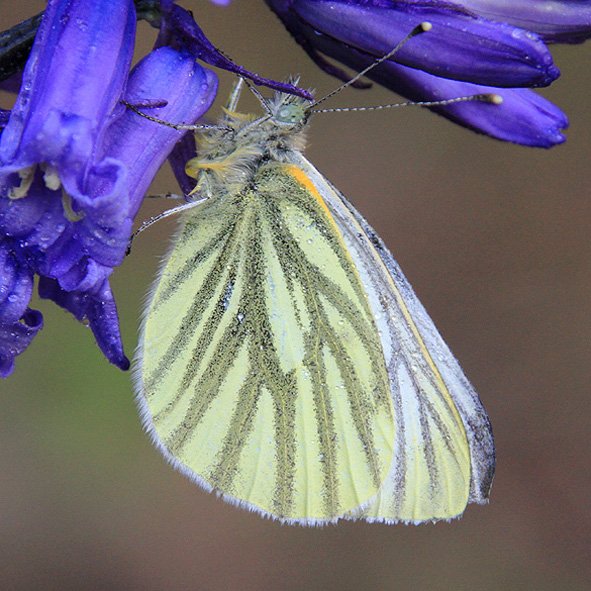
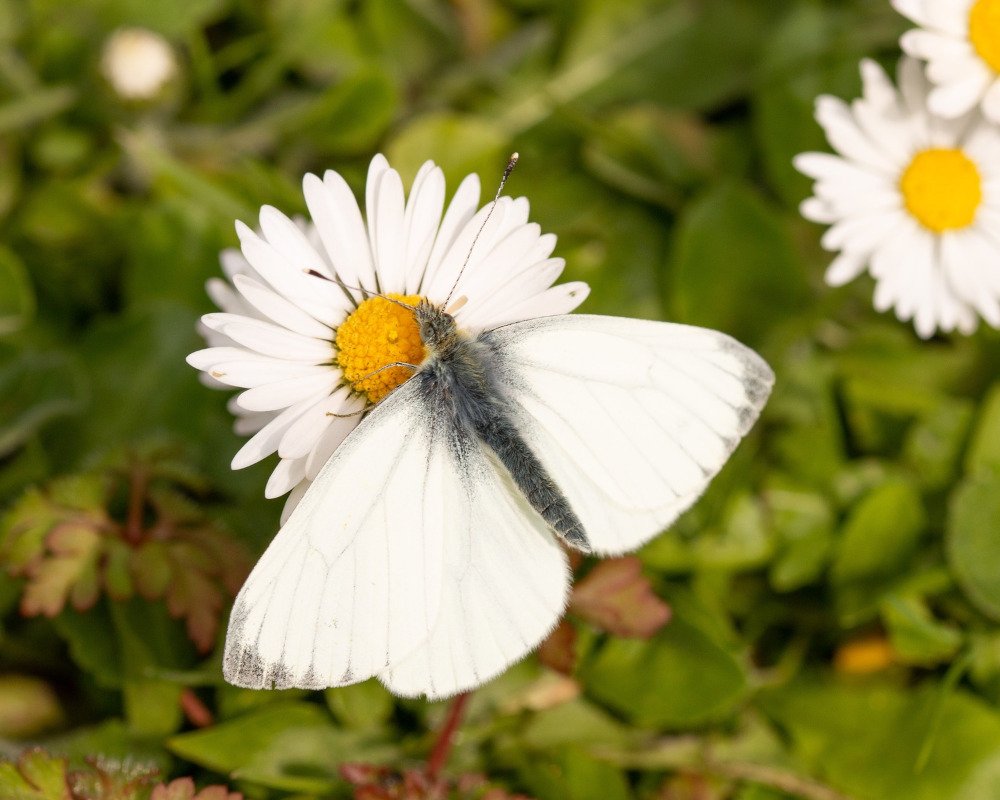 Green-veined White (male)
Black tips to the forewings, extending along the edges to form a series of arrow-shaped dashes, with no black spots. The female has the same marking along the edges of its forewings as the male, with two black spots in the centre of the wing.
Photo: Julia Saunders
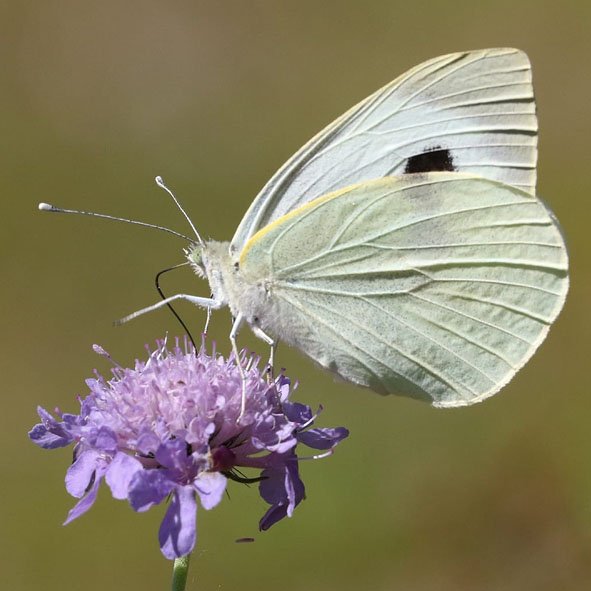
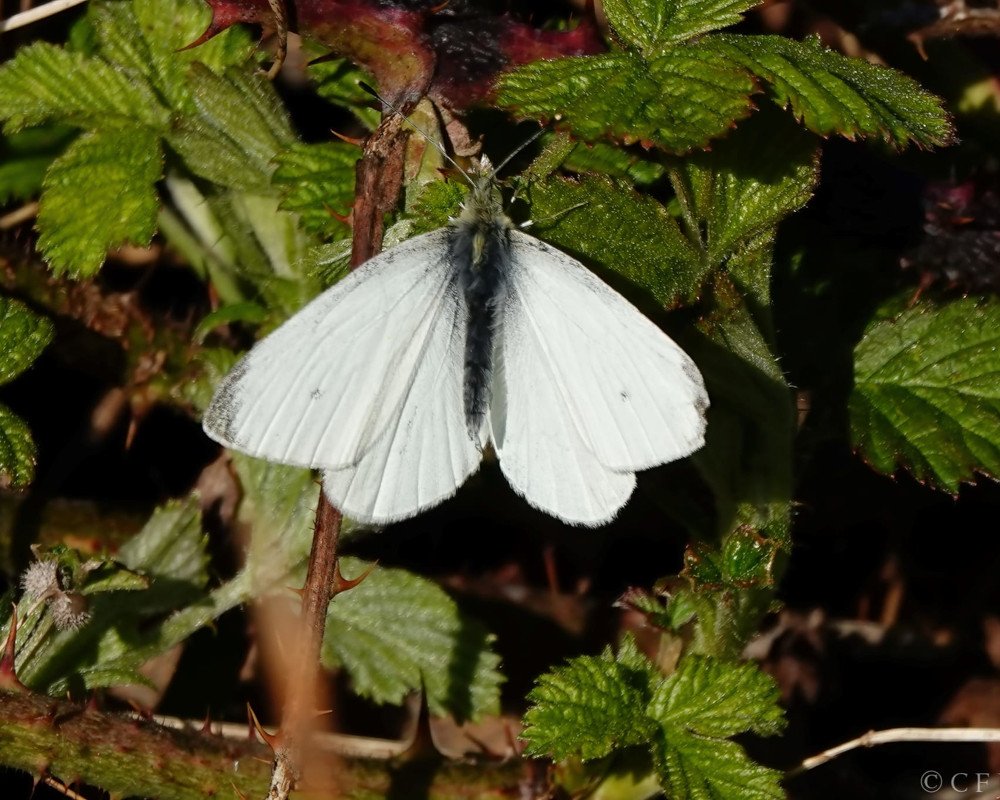 Small White (male)
This is the first white butterfly to be seen each year. The dark markings are rather grey and confined to the tips of the forewings. Males have a small black dot in the centre of the forewing.
Photo: Craig Jones
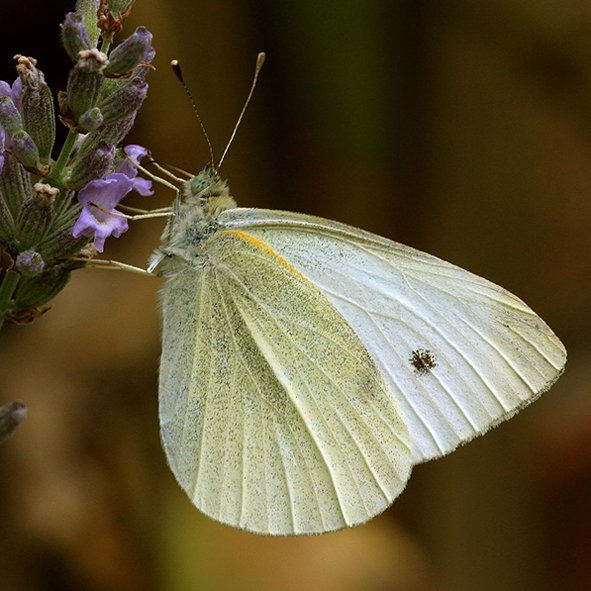
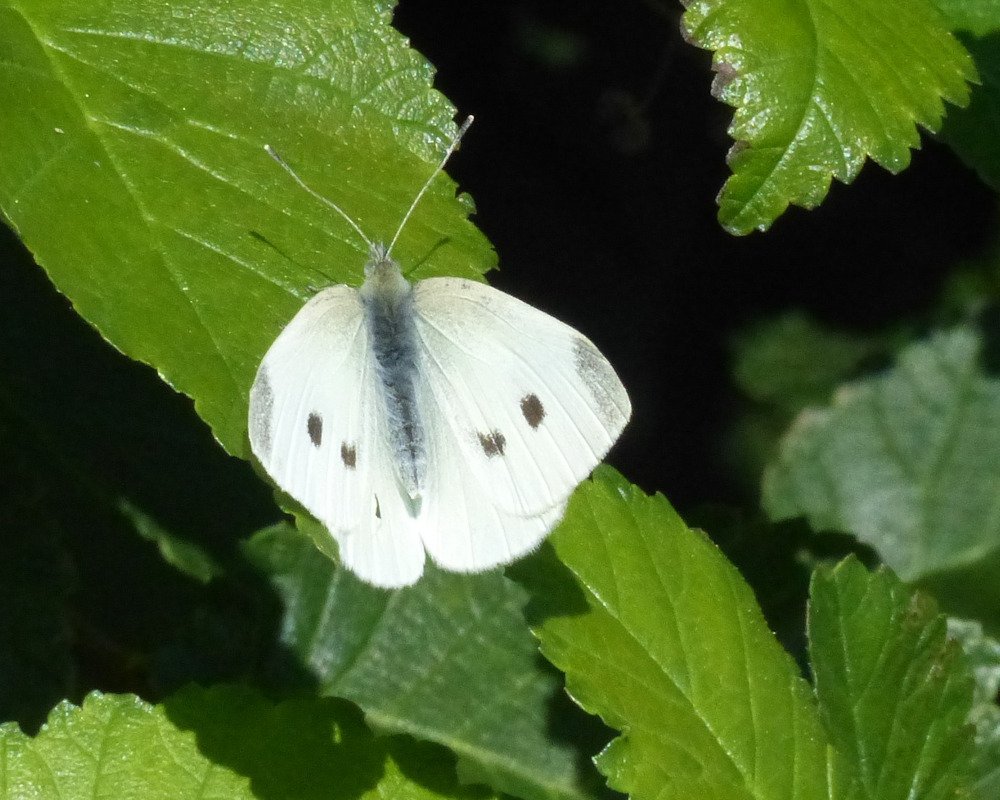 Small White (female)
The dark markings are rather grey and confined to the tips of the forewings, as in the male, but the female has two spots in the middle of the forewing.
Photo: Mike Williams
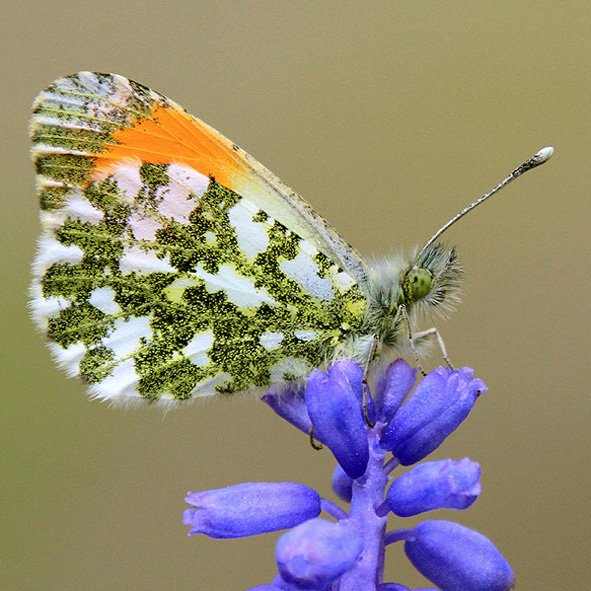
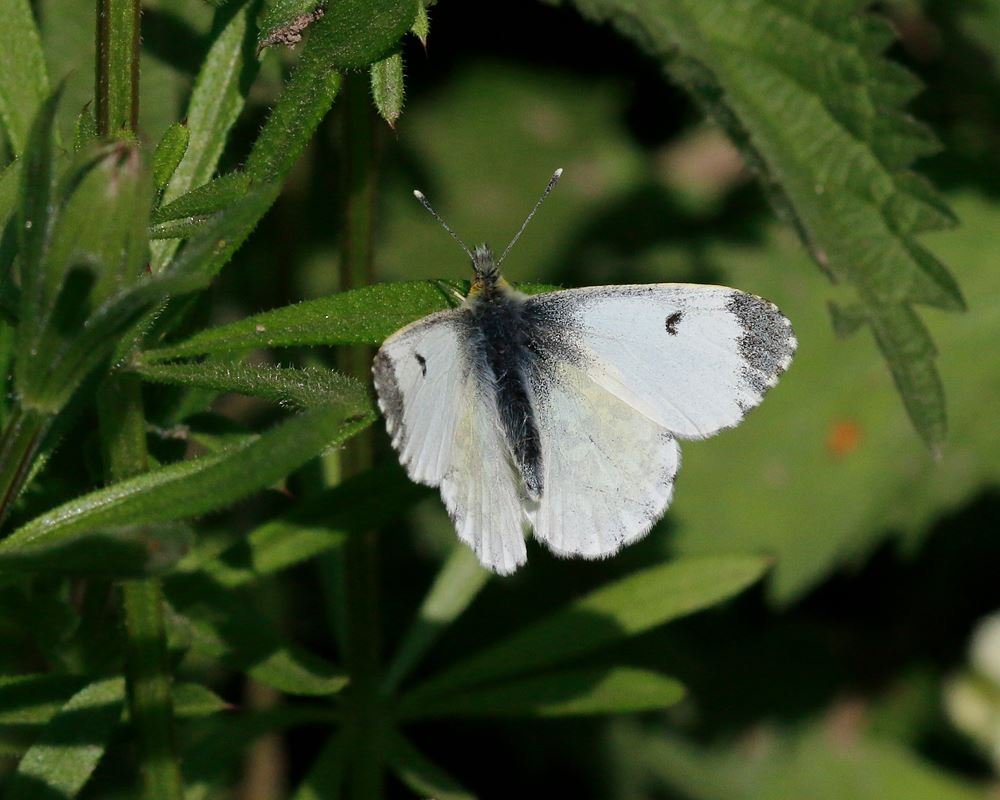 Orange-tip (female)
The grey patches on the tips of the forewings are more extensive than in the Small White, with a rather chequered fringe, and there is one black spot in the centre of each forewing. Only the male has the distinctive orange splashes.
Photo: David Emley
Photos: Steve Seal