Related Articles
Winter Moths
18th December 2025
Day-flying Moths
29th March 2026
Moth Trapping for Beginners
31st May 2026
Festival of Change
29th June 2026
How does a moth hover?
29th June 2026
Moth Mornings
29th June 2026
Moth Trapping for Beginners: Tips
29th June 2026
Identifying Moths for Beginners
23rd July 2026
Revealing Romanian Moths
28th August 2026
Migrant Moths
Mike Southall explains how strangers can reach our shores, some with our help and some without.
The term 'migrant moths' refers to individuals who have made their way to the UK from another country. The picture is clouded by migrant species that have temporarily colonised or are in the process of full colonisation. Then there are resident species of which numbers are boosted by migration. Added to this is the accidental introduction of moths by importation in food or plant material, which are known as adventives. Deliberate introductions, legal or not, can occur but are more frequently associated with butterflies. Sometimes an open mind is required in judging which of these situations is which.
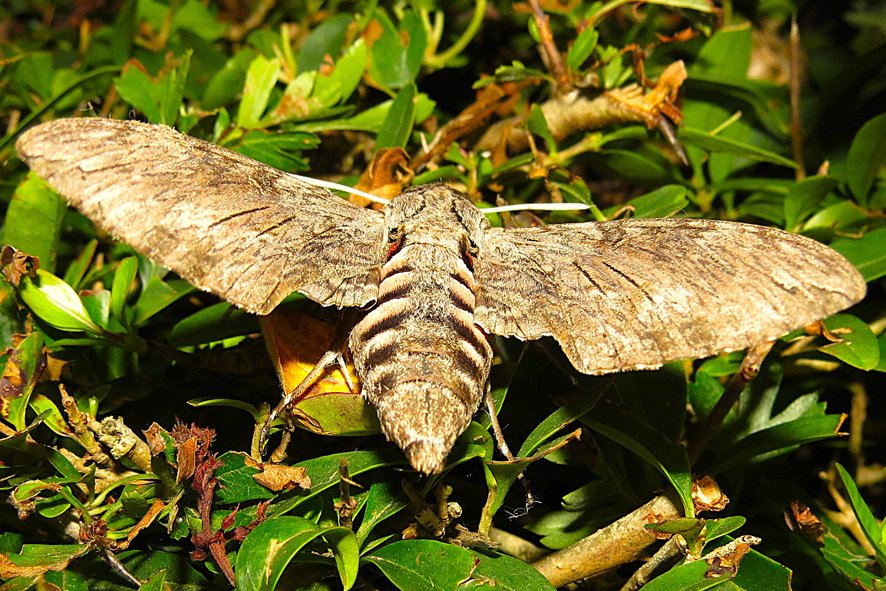 Convolvulus Hawkmoth
I think it's fair to begin with a word of warning concerning the study of migrant moths. The subject can become addictive, which has been known to affect decisions such as holiday destinations and even, in extreme cases, living locations. However, its draw does mean that you won't be alone in the study, which leads to good sources of up-to-date information on the subject.
One such source is Atropos. This journal is produced three times a year and available on subscription. It is concerned with the migration of moths, butterflies and dragonflies into the UK. The Atropos website has a Flight Arrivals section where you can see recent arrivals and add your own. There's also a section that shows an updated list of migrants with the number of UK records for each species.
For Facebook users, Migrant Lepidoptera (GB and Ireland) is recommended (private group, 2.2k members). Posts usually contain photographs of the species seen with their locations. The administrators often post upcoming weather charts, which can be a good indicator of possible migration events throughout the year and give the chance to put traps out in good time. These events are often accompanied by falls of Saharan dust into the UK.
For our region, there's a Migrants option in the Arrivals menu of the West Midlands Moth Atlas (available only to Golden Cinnabar members). This contains annual migrant information from 2020 onwards and includes migrant records, recorders and their locations. The page does not include the common migrants Silver Y, Rush Veneer and Diamond-back. That reminds me of a time when I was growing Dwarf Beans commercially: the field was struggling to compete with self-set oilseed rape until thousands of Diamond-back larvae began eating the brassica.
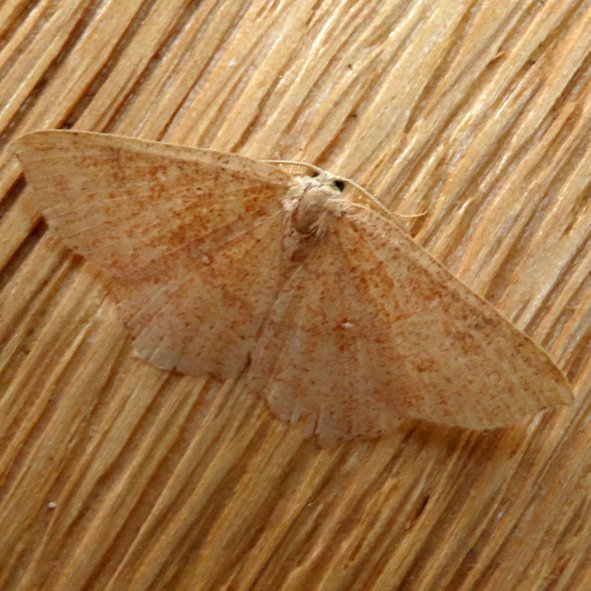 Jersey Mocha
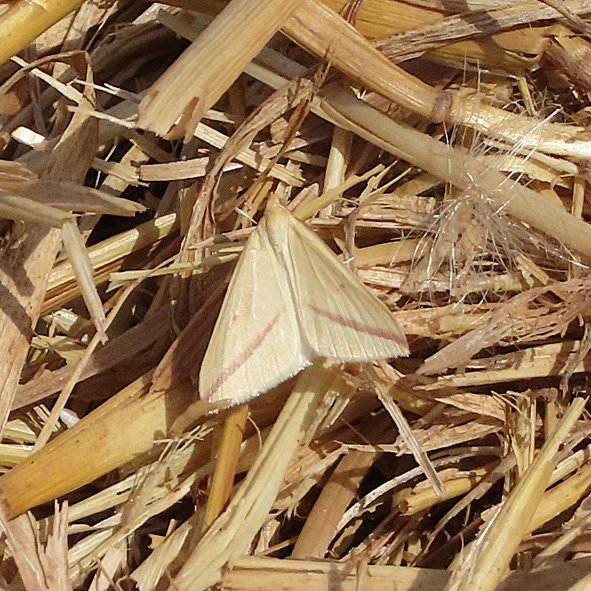 Vestal
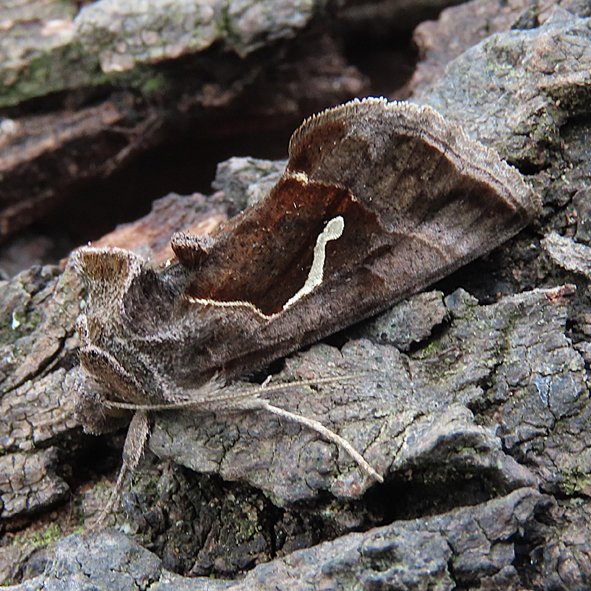 Dewick's Plusia
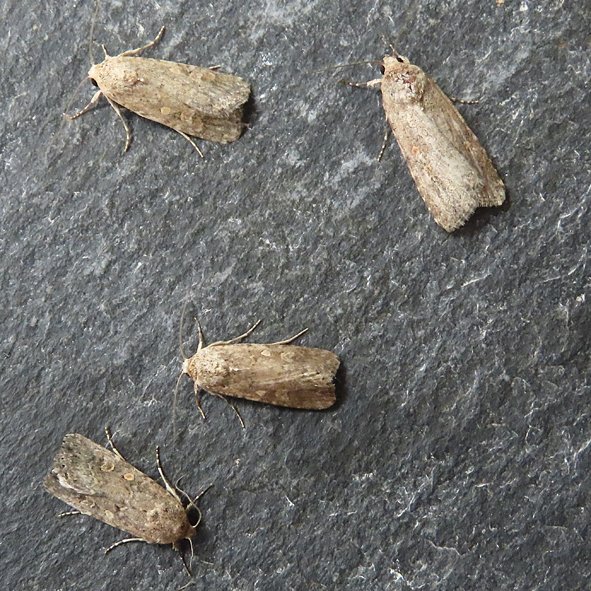 Small Mottled Willow